Pet owners often enjoy incorporating their animals into everyday activities, and visiting a pet supply store like PetSmart seems like the ideal way to do so. PetSmart is a pet-friendly store where you can buy food, toys, grooming supplies, and even services for your fluttery, scaly, or furry companions.
However, it’s normal to ask yourself, “Am I allowed to bring my pet inside the store?” before you leave with your pet. This is a frequently asked question, and not knowing the answer may cause uncertainty, discomfort, or unexpected events at the door. Although PetSmart accepts pets, it also has policies in place to ensure that all customers—human and animal—can enjoy a safe, hygienic, and enjoyable experience.
PetSmart’s pet policy is explained in detail in this guide, along with the types of pets permitted, the guidelines pet owners must follow, how to prepare your pet for a visit, and helpful hints for a stress-free and pleasant shopping experience. You may bring your pet to PetSmart, knowing exactly what to expect if you have the correct knowledge.
Let me share my own experience visiting PetSmart with my dog to give you a clear picture of
what a typical visit can be like. When I brought my dog, Bruno, to PetSmart for the first time, I wasn’t sure how he would respond. He is generally friendly, but when he sees other dogs or strangers, he becomes a little animated. I packed wipes, waste bags, and a few training treats to help him stay focused, and I made sure he was on a non-retractable leash.
Additionally, I made sure he took a quick bathroom break outside before going inside the store, just in case. Bruno was energetic and curious as we entered. I strongly gripped his leash and rewarded calm behavior with treats. I stayed well away from other dogs and took his focus with straightforward instructions and encouragement when we passed them. He did well overall, but I had to lead him to a quieter aisle to give him some space to unwind after he became overstimulated by all the toys and smells. In addition to being helpful and kind, the staff even gave him a treat and told me how well he was acting. Since then, I have always made sure to check his leash, pack supplies, give him a bathroom break, and visit during quieter times. Because of these small changes, Bruno now truly looks forward to our trips to PetSmart. They’ve developed into a fun and secure activity that we both enjoy.
PetSmart’s General Pet Policy Overview
Since PetSmart is widely recognized as a pet-friendly shop, you may typically bring your pet along for the shopping experience. As long as they are well-behaved and securely restrained either on a leash, in a carrier, or securely carried by their owner, the store accepts a variety of typical household pets, including dogs and cats. As long as they are housed in a secure container, small pets like birds, rabbits, guinea pigs, or reptiles may occasionally be permitted.
PetSmart’s pet policy is primarily aimed at safeguarding the comfort, safety, and well-being of all people and animals within the store. PetSmart has policies in place to prevent issues like aggressive behavior, accidents, or animal stress because allowing pets in public places carries responsibilities. Everyone benefits from a tidy, peaceful, and pleasurable shopping experience thanks to these guidelines.
| Type of Pets | Can You Bring Them? | What You Need to Know |
|---|---|---|
| Dogs | Yes | Your dog must be on a leash and stay calm and close to you at all times. |
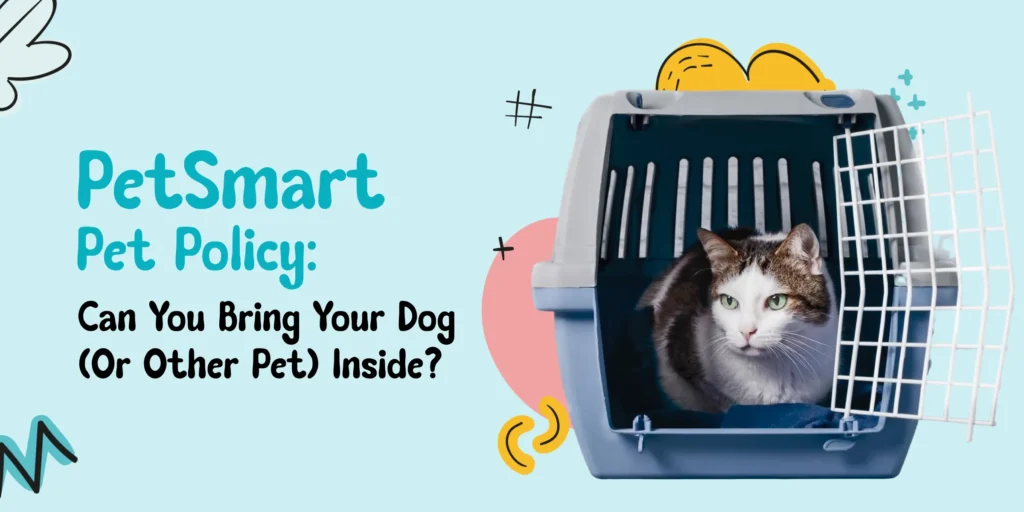
| Cats | Yes | Your cat should be in a pet carrier or on a leash, and you must keep it under control. |
| Small Pets (hamsters, guinea pigs) | Yes | These small animals must be in a secure carrier so they don’t escape or get hurt. |
| Birds | Yes | Birds need to be in a strong, closed carrier that lets in air and keeps them safe. |
| Reptiles and Amphibians (like turtles or lizards) | Yes | These pets must be kept in a safe and closed carrier so they can’t get out and stay clean. |
| Fish | Yes | Fish should be in a sealed, leak-proof bag or container to prevent spills. |
| Other Pets (ferrets, exotic pets, etc.) | It depends | Some stores might allow them, others may not. Always call your local PetSmart first to ask. |
Specific Rules and Requirements for Pets in the Store
There are crucial guidelines that all pet owners must adhere to while bringing their animals into PetSmart in order to help guarantee a stress-free, hygienic, and safe environment for both people and animals. Many pet owners may not completely understand the exact requirements involved, even when they are aware that they are permitted to bring their pets. These regulations are in place to avoid mishaps, regulate pets, and keep the store hygienic, so they’re not only meant to be severe.
Pets moving loose, disturbing other animals, or making messes that make other customers uncomfortable could result from breaking these guidelines. One common concern is that some pet owners might not be aware of all the regulations before coming, particularly if it’s their first time. These guidelines are explained in detail in this guide so you are aware of exactly what is expected of you.
It is highly advised to ensure that your pet is healthy and completely vaccinated for their protection—as well as the protection of anyone around them—even if the majority of stores won’t want to check vaccination records. It’s also critical to understand that non-retractable leashes are frequently used in order to maintain greater control over your pet.
Below is a table that explains the main rules, what they mean, and why they’re important:
| Rules | What This Means | Why It Matters |
|---|---|---|
| Leash Requirement | Dogs must always be on a leash. A short, non-retractable leash is often recommended. | Keeps pets from running off or jumping on people or other animals. |
| Handler Control | You must keep your pet close and under control at all times. | Prevents bad behavior and keeps the shopping area safe for others. |
| Carrier Requirement | Small pets (like cats, birds, or hamsters) must be in a secure carrier. | Protects your pet from harm (like being stepped on) and prevents escapes. |
| Health & Vaccinations | Your pet should be healthy and, if possible, up-to-date on vaccinations. | Helps stop the spread of diseases between pets and keeps everyone safer. |
| Behavior Expectations | Pets must be calm, friendly, and not disturb other shoppers or animals. | Makes the store visit peaceful and avoids fights or stressful situations. |
| Accidents/Cleanliness | If your pet has an accident, you must clean it up right away. | Keeps the store clean and pleasant for all customers and staff. |
Understanding Service Animals vs. Other Pets
When it comes to store regulations, many pet owners are perplexed by the distinctions between therapy animals, emotional support animals, service animals, and ordinary pets. A dog that has been carefully taught to carry out particular tasks for a person with a handicap is legally considered a service animal under the Americans with Disabilities Act (ADA). These duties could involve assisting with movement, warning someone who has seizures, or escorting a blind person.
Since service animals are working animals rather than merely pets, they are legally permitted in public spaces like PetSmart, even if other pets are not permitted there. By this regulation, PetSmart allows service animals in all of its locations. But a lot of people mistake service animals for therapy or emotional support animals (ESAs). Although ESAs are comforting simply by being with their owner, they do not have the same legal rights as service animals because they are not trained to do specific jobs.
In a similar vein, therapy animals are not covered by the ADA even though they may visit nursing homes, schools, or hospitals to provide emotional support to groups of people. ESAs and therapy animals are treated by PetSmart as common pets, which means they are only permitted provided they adhere to the store’s usual pet rules, which include always being under control, leashed, or in a carrier.
| Animal Type | PetSmart Status | Key Differences from Standard Pet Policy |
|---|---|---|
| Service Animal | Always Allowed (protected by law) | Task-trained to help with a disability; allowed even in areas where pets are not. No ID or vest required. |
| Emotional Support Animal | Allowed only under regular pet rules | Provides comfort but is not task-trained; must follow all standard rules, like leash/carrier, and good behavior. |
| Therapy Animal | Allowed only under regular pet rules | Visits places to bring emotional support to others; not legally a service animal, must follow store rules. |
| Standard Pet | Allowed under PetSmart’s general policy | For companionship or shopping, must be leashed or in a carrier, healthy, and well-behaved. |
Tips for a Smooth and Enjoyable PetSmart Visit
It can be a delightful and gratifying experience to visit PetSmart with your pet, but everyone can have a safe and pleasurable trip if you prepare a bit. This includes you, your pet, other customers, and store employees. It can be easier if you follow a few professional advice, regardless of whether you are a frequent visitor or this is your first time.
- Use a non-retractable leash:
Your dog should always be kept on a sturdy, six-foot leash that is not retractable. This allows
you more control, particularly in crowded store aisles where humans and other dogs can be
present. Additionally, a good leash helps avoid mishaps or unwanted encounters. - Take your dog for a bathroom break first:
Make sure your dog has had time to relieve itself before entering the business. This
demonstrates consideration for the common area and helps prevent tense or messy mishaps
within the store. - Bring training treats:
A few small training rewards should be kept in your pocket or purse. These can be used to
reward your dog for sticking by your side, strolling gently, or ignoring distractions. Positive
behaviors throughout the visit are reinforced with treats. - Start with short visits:
Slowly adapt your dog to the PetSmart environment if they are unfamiliar with crowded areas
like stores. Begin with brief, silent visits to give your pet time to get used to the noises, smells,
and bustle. Increase the duration of visits gradually as your dog gets more at ease. - Watch your surroundings:
Always keep an eye out for nearby customers and dogs. To prevent tension or arguments, give
them space if your dog is nervous or reactive. Maintaining a respectful distance is essential
because not all pets get along. - Avoid busy hours:
Try to take your dog during quieter hours, such as weekday mornings, if they become nervous
amid large groups. Your pet may appreciate the journey better if there are fewer people and
pets around, as this creates a more peaceful environment. - Know the store layout:
Consult the staff or look up the store layout online before you visit. Knowing where to get
things like food, toys, or grooming services can help you organize your visit more effectively.
It also makes your journey less stressful for you and your pet.
Handling Challenges: What to Do if Your Pet Misbehaves or Has an Accident
Although taking your pet to PetSmart might be a lot of fun, things don’t always go as planned. Pets can occasionally experience anxiety, excitement, or even overwhelm in a busy store with lots of different people, animals, and smells. Pets who have accidents, bark excessively, or exhibit indications of stress are perfectly normal. How you react is what counts most. Avoid being alarmed if your pet misbehaves or has an accident. Remain composed, respond fast, and treat the employees and other customers with respect.
PetSmart expects responsible pet owners who keep their animals under control and tidy up after themselves. A good approach to be ready is to bring cleaning wipes and pet waste bags. It’s better to leave the store and give your dog a break if they start making too much noise, acting aggressively, or appearing frightened or ill. You can also see a veterinarian or trainer if certain habits are common. It doesn’t matter if things don’t work out exactly; what counts is that you are a responsible and kind pet owner.
| Situations | What You Should Do | Why This Matters (Store Policy) |
|---|---|---|
| Accident (peeing or pooping) | Clean it up right away. Use your supplies or ask staff for help. | If you don’t clean up, you may be asked to leave or not be allowed back. |
| Excessive Barking or Whining | Try to calm your pet. If the noise continues, it’s best to leave the store. | Loud pets disturb others. Staff may ask you to manage it or leave if it doesn’t stop. |
| Reactivity (growling, lunging) | Move away from other pets/people. Use treats or commands to redirect. If it’s serious, leave. | Aggressive behavior is a safety risk. Ongoing problems can lead to being asked to leave. |
| Damage to Merchandise | Tell a staff member immediately and explain what happened. | Owners are usually responsible for paying for anything their pet damages. |
| Pet Looks Stressed or Unwell | Take your pet outside or go home. Watch for signs like shaking, hiding, or drooling. | A stressed or sick pet may act out and disrupt the store. Their comfort and safety come first. |
Beyond Dogs: What Other Animals Can You Legally Bring to PetSmart?
Pets such as cats, birds, reptiles, small animals (like guinea pigs and hamsters), and even fish are accepted at PetSmart, provided they are housed in a safe and well-ventilated container or carrier. The safety and comfort of these animals depend on the use of a suitable pet carrier because they are more sensitive to noise, crowds, and strange environments. Due to their inability to be leashed or carried loosely like dogs, a strong, escape-proof container helps reduce tension and accidents.
Selecting more peaceful periods for your visit and paying attention to your pet’s needs at all times are also smart ideas. Even if your pet appears to be at ease, a carrier provides greater control and security, according to experts. Having the proper equipment, such as a high-quality portable carrier, guarantees a more convenient and secure shopping experience for you, your pet, and everyone else.
Policy in Practice: Anecdotal Experiences Section
Even though PetSmart has explicit policies on bringing pets into its locations, actual experiences can occasionally differ slightly. This portion is useful because it provides pet owners with a realistic, hands-on understanding of how these policies function in practice during a visit. Before entering the store with their pets, readers may observe how previous customers have dealt with the regulations rather than just reading them, which makes them feel more prepared and secure.
Visitors to PetSmart have submitted short, anonymous stories in this section. Positive visits, such as a dog strolling peacefully along the shops or a cat feeling secure in a carrier, or minor difficulties, such as a pet having an accident and the staff helping to clean it up, could be the subject of these. Certain anecdotes might also demonstrate how employees handled situations differently in each shop, such as being more flexible during peak hours or more lenient regarding specific rules during slower periods.
Although the basic laws remain the same, regulations may differ based on the location or the staff members on duty, as these tales illustrate. Pet owners can learn more about what to anticipate, how to handle unexpected events, and how to make their visit efficient and pleasurable for both themselves and their animals by reading these real-life examples.
Preparing for Your Visit: The ‘Know Before You Go’ Checklist
To ensure an effortless, secure, and pleasurable experience for both you and your pet, it is crucial to be well-prepared before you bring them to PetSmart. This section functions as a useful and user-friendly checklist that compiles all of the important store policies and advice in one location. Using this checklist can help you avoid common issues and make sure your pet is prepared for the store environment, regardless of whether you’re a frequent visitor or this is your first time. As a helpful reference, you can even print it out or save it for use each time you make travel plans.
- Make sure your pet is allowed:
Check if your pet type (dog, cat, bird, reptile, small animal, or fish) is generally accepted under PetSmart’s pet policy. - Use the right leash or carrier:
Dogs should be on a non-retractable leash no longer than 6 feet. All other pets must be in a safe, escape-proof carrier. - Let your pet go potty before entering:
A quick bathroom break before going inside helps prevent accidents in the store. - Bring waste bags and wipes:
Be prepared to clean up after your pet. Disposable bags and pet-safe wipes can be very helpful in case of a mess. - Carry some training treats:
Giving your pet a treat is a wonderful way to thank them for good behavior and maintain your attention. - Check vaccination status:
While stores don’t usually ask, having your pet up to date on vaccinations protects them and other animals. - Assess your pet’s mood:
Make sure your pet is calm and in a good state to visit a busy store. If they seem anxious or too energetic, consider postponing. - Avoid crowded times:
Try visiting during less busy hours, like weekday mornings, if your pet is sensitive to noise or distractions. - Plan your store visit:
Know what you need and where to go inside the store so you can keep your trip quick and stress-free.
Conclusion
PetSmart encourages a wide range of animals and is pet-friendly, but there are a few basic guidelines that should be followed to ensure everyone has a safe and enjoyable experience. Whether you are bringing a dog, cat, or a smaller animal like a bird or hamster, you must ensure that your pet is secure in a carrier or on a leash, that you are always in charge of them, and that you clean up after them when necessary.
Being organized, considerate, and watchful not only keeps your pet safe but also contributes to a welcoming atmosphere for other customers, their pets, and store staff. Thinking ahead, keeping an eye on your pet’s behavior, and contributing to a clean and peaceful store are all parts of responsible pet ownership.
By following these rules and making use of the practical advice provided in this guide, you can anticipate enjoyable, stress-free trips to PetSmart with your feathered, scaled, or furry friend.
Together, you and your pet can confidently enjoy the visit, regardless of whether you’re shopping for toys, treats, or grooming services.
Frequently Asked Questions:
- Can I bring my dog into PetSmart?
Yes, dogs are welcome at PetSmart. They must be on a non-retractable leash and under your control at all times while in the store. - What should I do if my pet has an accident in the store?
You are responsible for cleaning up right away. Bring waste bags and wipes with you, or ask a staff member for help if needed. - Can I bring my emotional support or therapy animal?
Emotional support and therapy animals are not considered service animals, so they must follow the standard pet policy (leash, carrier, and good behavior required). - Do I need to show vaccination proof for my pet?
Not usually. Most stores don’t ask for vaccination records, but it’s strongly recommended to keep your pet’s vaccinations up to date for everyone’s safety. - When is the best time to visit PetSmart with a pet?
If your pet is easily overwhelmed, choose quieter times like weekday mornings or early afternoons to avoid crowds and noise. - What if my pet becomes too anxious or misbehaves?
If your pet shows signs of stress or aggressive behavior, it’s best to leave the store calmly. You can try again another time when your pet feels more comfortable.